
In this guide
- Separate the required main image from supporting views
- Inspect the sample before the shoot
- Show fit with useful context
- Make the size chart explain its own measurement method
- Photograph fabric so texture stays believable
- Keep colour and variations aligned
- Show the details that change daily use
- A workable brief for a casual overshirt
- Use AI layouts without changing the garment
Clothing shoppers cannot touch the fabric or try the garment on before ordering. The image set has to carry more of that explanation. A good photograph shows how a sleeve falls, where a seam sits and whether the material appears structured or fluid. A useful gallery connects those impressions to measurements and product facts the buyer can actually check.
Start with the garment you sell, in the exact colour and construction being listed. Styling can improve presentation, but it should not quietly change the fit. If clips, hidden pins or a pose make a loose garment look fitted, the photograph may create a different expectation from the item that arrives.
Separate the required main image from supporting views
Amazon maintains image guidelines for clothing. Main-image treatment can depend on the garment and category, so review the current requirements for the exact product before booking a model or planning a flat lay. Supporting views should complement that main image, rather than force every detail into it.
Prepare a front view, a back view and meaningful details even when one strong main photograph already exists. A sweatshirt buyer may want to inspect the hood, cuffs, inside texture and hem. A jacket buyer may need the closure, pocket construction and lining. Choose the additional images from the garment's real buying questions, not a fixed list copied from another category.
Inspect the sample before the shoot
Check that the sample matches current production. Confirm colour, labels, buttons, zip pulls, stitching and any accessories. A prototype with different trim can lead to an attractive but outdated listing. Record the sample size and keep the SKU or variation identifier with the images from the beginning.
Remove lint, steam or press the garment using an appropriate method and arrange seams naturally. Preparation should reveal the intended shape without disguising it. Keep one unstyled reference photograph so a reviewer can compare the finished image with the actual garment. This reference becomes particularly useful when several people handle styling, retouching and page assembly.
Show fit with useful context
A model photograph can communicate drape and proportion, but it is more useful when the demonstrated size and known measurements are recorded accurately. Do not invent model details to complete a caption. If you do not have reliable measurements, limit the copy to verified facts and use separate garment measurements for the practical comparison.
Choose poses that reveal the shape in an ordinary stance. A raised arm may explain sleeve movement, but it should not be the only view of sleeve length. A tucked hem can suggest a different garment length, so include an untucked view where it matters. Keep both the relaxed presentation and any movement demonstration clear enough to judge.
Make the size chart explain its own measurement method
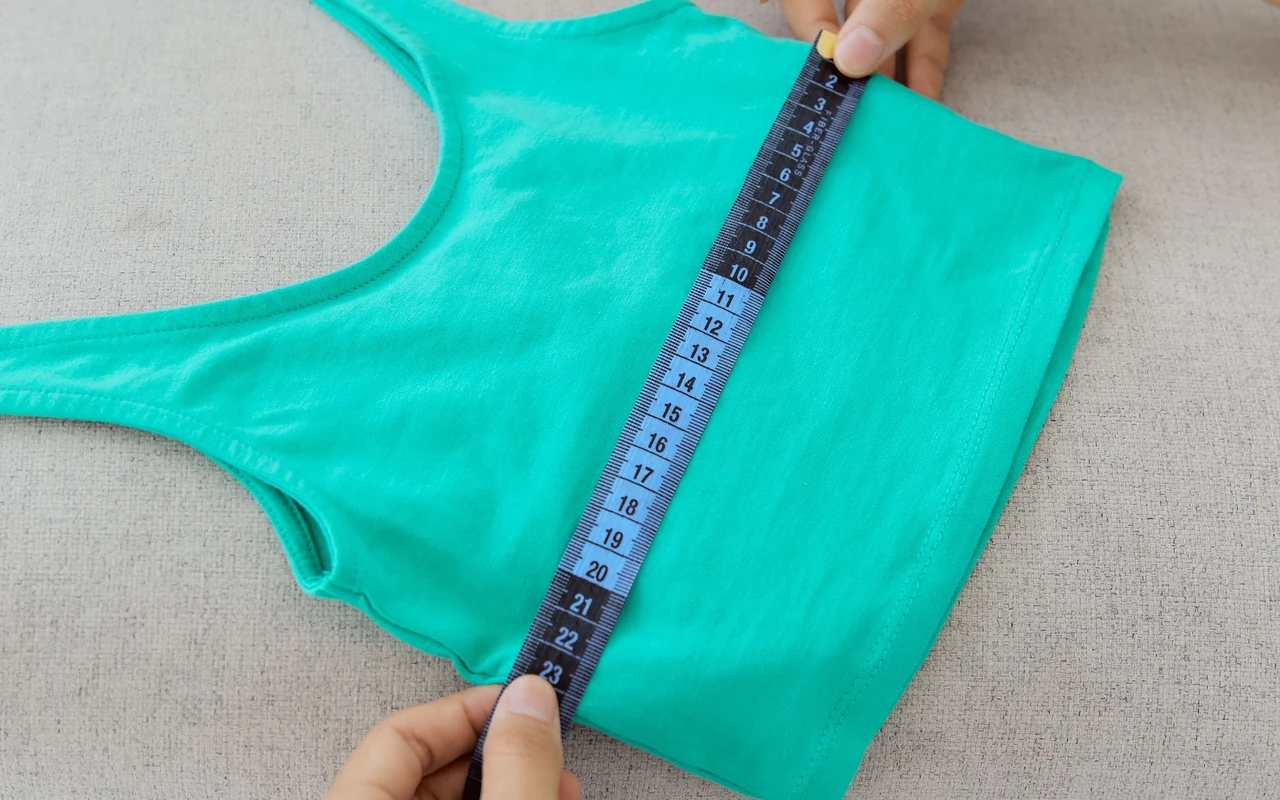
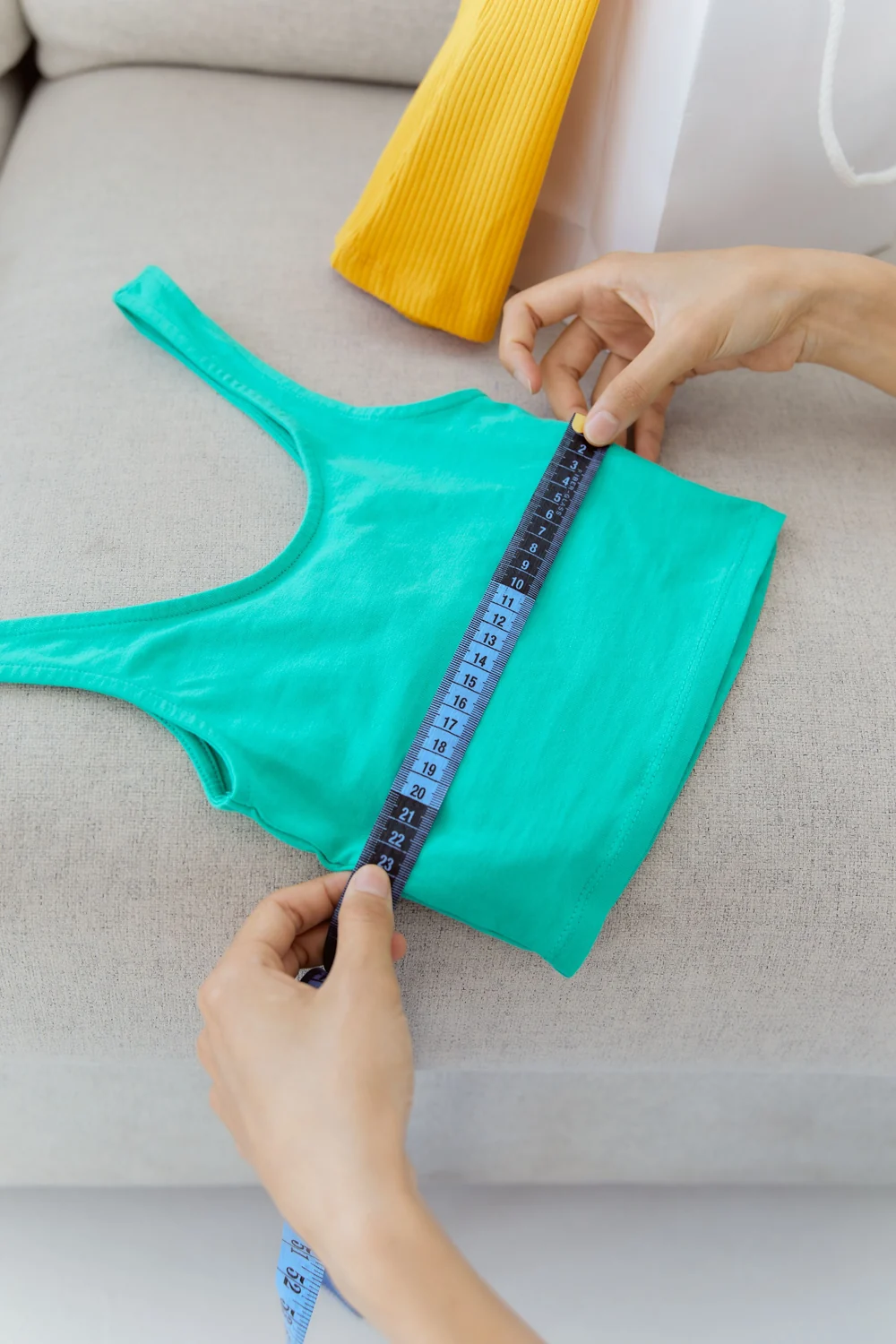
Distinguish garment measurements from body measurements. A chest width measured across a laid-flat garment is not the same thing as a full body chest circumference. State the method and show the relevant points. For length, indicate whether the measurement starts at the shoulder, collar or another defined location.
Use the approved sizing data for the exact product, not a generic chart from a similar style. If the manufacturer provides tolerances, communicate them consistently with the product information. Avoid adding apparent precision that the actual production process cannot support. The dimensions image workflow can help you plan a readable diagram with clear units and arrow positions.

Photograph fabric so texture stays believable
Bring the camera close enough to show the material while retaining recognizable context. A sleeve cuff, collar or folded edge gives the texture a useful frame. Soft side lighting can reveal knit structure or a woven surface. Extreme sharpening and heavy contrast can make a soft fabric appear stiff, so compare the edit with the sample before approving it.
Describe the visible feature separately from a performance claim. A fabric close-up does not prove breathability, warmth, wrinkle resistance or moisture management. Those statements need their own verified basis. When evidence is limited, explain what is known: the actual fabric composition, construction detail or care information supplied for the item.
Keep colour and variations aligned
Photograph a neutral reference under the same lighting and avoid changing the colour treatment between variations. A warm background reflection may make a cream top look yellow, while a strong cool adjustment can flatten a navy garment into black. Review the garment, image and variation name together rather than approving each independently.
Check that the back and detail images belong to the same version as the main image. Differences in pocket shape, cuff finish or hardware are easy to miss when files are named only front and back. Use a file naming pattern that includes the SKU, colour and view. See our colour accuracy guide for a more repeatable review process.
Show the details that change daily use
Some details are nearly invisible in a full-body view. Photograph the actual opening of a pocket, the closure type, an adjustable fastening or the inside finish. For a reversible item, make the two sides and their relationship obvious. If a drawstring is decorative rather than functional, do not stage it as an adjustment feature.
Care information also deserves a reliable source. Photograph the current care label for your production reference, then keep page wording consistent with it. A casual washing-machine photograph can imply a care method the garment does not support. If care is an important buyer concern, use accurate concise text and a relevant detail image rather than an invented demonstration.
A workable brief for a casual overshirt
Imagine a cotton overshirt with two chest pockets and a straight hem. The brief could ask for front and back views, a natural untucked fit view, a close-up of the fabric, the open pocket and button fastening, and a measurement diagram using the current size sheet. Ask the photographer to preserve the actual sleeve width and hem shape throughout.
This is a creative example, not a rule about a required number of slots. If the fabric or sizing is the main purchase concern, bring that evidence forward. If an image only repeats the garment's appearance without adding information, replace it with a missing view. Our gallery sequence guide explains how to organize those decisions.
Use AI layouts without changing the garment
AI can help explore supporting layouts and background treatments, but apparel details are easy to alter. A generated scene may move buttons, erase a seam, add a pocket or change the length. When using ListingBrain, compare every resulting garment against the approved source photographs and reject a version that changes what is sold.
Before publishing, review the gallery as someone choosing a size. Can they judge front, back, drape and important details? Do the measurements explain their method? Is the colour consistent across views? Does the care copy match the item? These questions produce a more useful clothing listing than styling alone can achieve.
Editorial photographs are credited beside each image. They illustrate the topic and do not represent ListingBrain customer results or an endorsement by a depicted person.