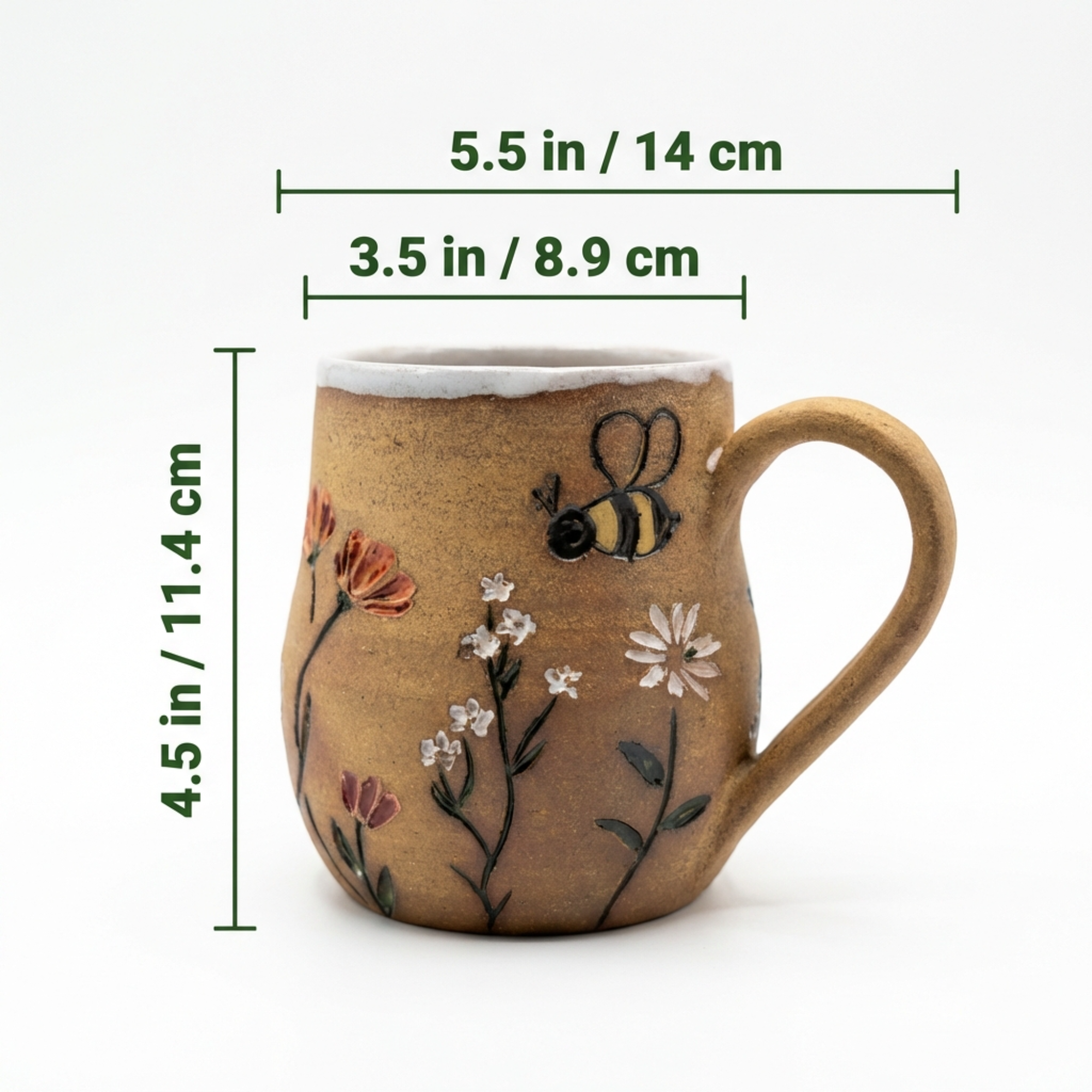
The practical point
A gallery is stronger when the order mirrors the way a buyer makes a decision.
A gallery should get more specific as the shopper moves through it. The early frames earn attention and explain the primary reason to care. The middle frames prove the details. The later frames resolve the practical questions that remain.
How to use this on a real SKU
- Start with product recognition.
- Move from benefit to proof.
- Finish with ownership context or a final decisive detail.
What experienced sellers review before publishing
Product first, strongest benefit early, proof before decoration, useful scale and a final image that removes a remaining doubt.
This sequence keeps lifestyle imagery in the right place: as context, not camouflage. A beautiful scene is useful only when it helps a buyer understand scale, routine, environment or end result.
Keep every asset tied to the product that will actually ship. Check small-screen readability, the current variation, packaging and included components. If a generated image is not strong enough, regenerate that slot and compare the new version with the earlier result.
A stronger image system, not isolated graphics
| Asset | Buyer question | Best use |
|---|---|---|
| Main or product-first image | What is this? | Immediate recognition and confidence |
| Benefit or feature image | Why should I choose it? | One specific, supportable buying reason |
| A+ Content module | How does it fit my needs? | Deeper feature, use-case or brand context |
Build the visual set around your actual product
ListingBrain turns a product reference and the facts that matter into gallery images and A+ Content you can review and regenerate individually.
Create your listing