
In this guide
- Start with the owner question, not the animal pose
- Build a practical six-frame shot list
- Make size information reproducible
- Demonstrate use without forcing the moment
- Show materials at the scale people can judge
- Photograph cleaning and storage details
- Keep props and included items easy to distinguish
- A useful brief for one harness listing
- Final questions before publishing
A dog bed can look generous beside a small puppy and surprisingly narrow beside an adult dog. Neither photograph tells a shopper enough on its own. Good pet product photography connects the attractive scene to the information an owner needs: usable dimensions, fastening details, cleaning access and an honest view of the animal wearing or using it.
That does not require a dog in every frame. A clear empty bed, a readable measurement image and a close view of the removable cover may explain more than three lifestyle photographs. Build the listing around the accessory first, then use an animal only when the demonstration answers a specific question.
Start with the owner question, not the animal pose
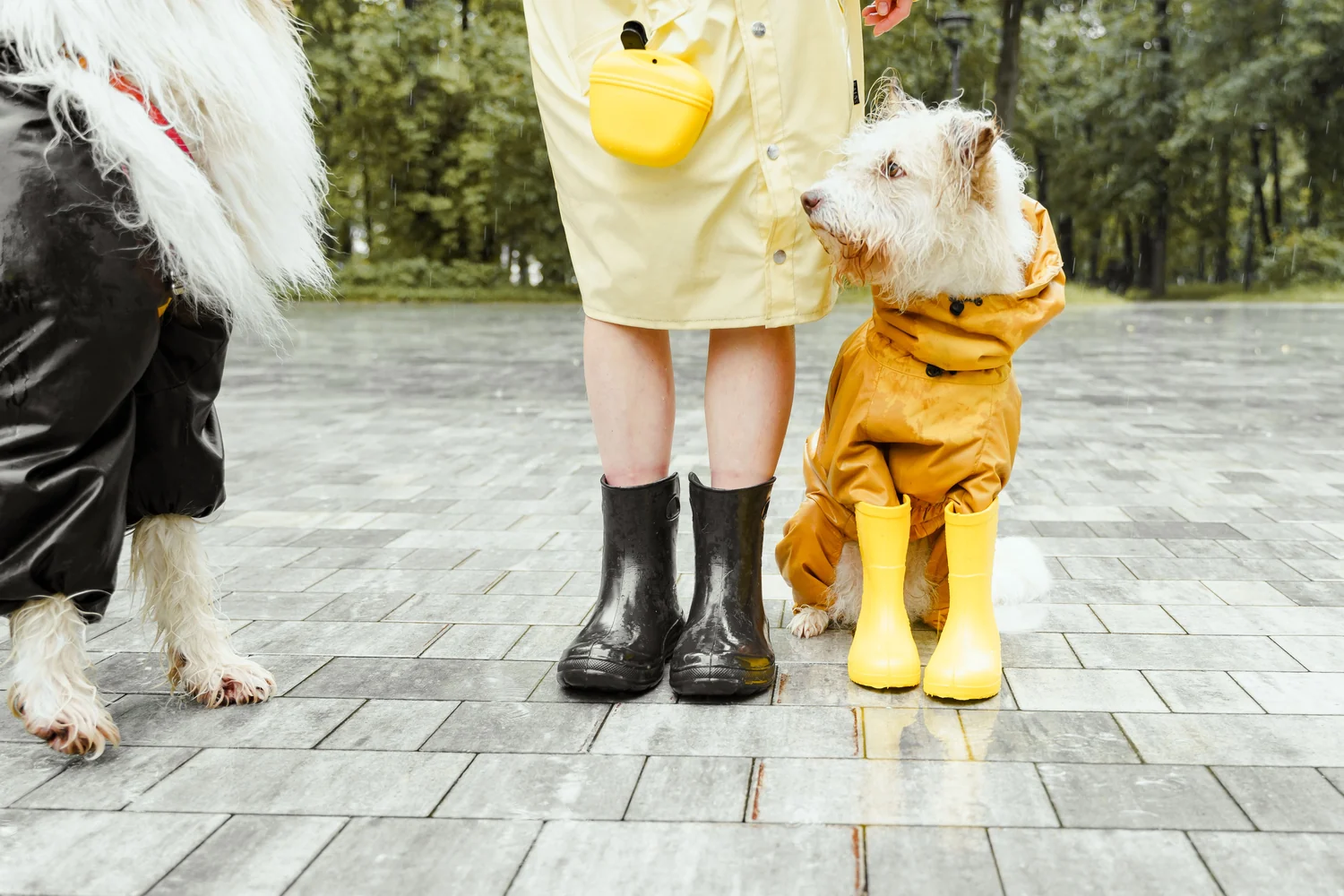
Write down what a buyer must check before ordering. For a harness, that might include chest measurement, adjustment range, buckle position and how the lead attaches. For a travel bowl, it might be packed size, opening method and whether a lid is included. For a bed, distinguish its outside footprint from the space inside the raised sides.
Use support messages and return reasons if you have them. A recurring question about an opening or fastening deserves a photograph of that detail. Avoid replacing the question with a broad promise such as comfortable, durable or suitable for every dog. A photograph should show what supports the description, while the specifications explain the exact limits.
Build a practical six-frame shot list
Keep the first frame focused on identifying the item and the chosen variation. Follow with a view that explains its shape or construction. A size frame should come early for products where fit determines the purchase. Then show a relevant mechanism, the contents of the package and one believable use scene.
For a padded harness, the sequence could be an unobstructed product view, the interior padding, a measurement diagram, the buckle and attachment point, all supplied components, and a supervised outdoor walk. The walkthrough does not need a new slogan in each image. Its purpose is to let an owner inspect the accessory from several useful perspectives.
Amazon's Product image guide distinguishes main-image standards from other image uses. Check the current guidance for your marketplace and category before deciding where an in-use photograph belongs. Plan the product-first and demonstration assets separately so one does not have to serve both jobs.
Make size information reproducible
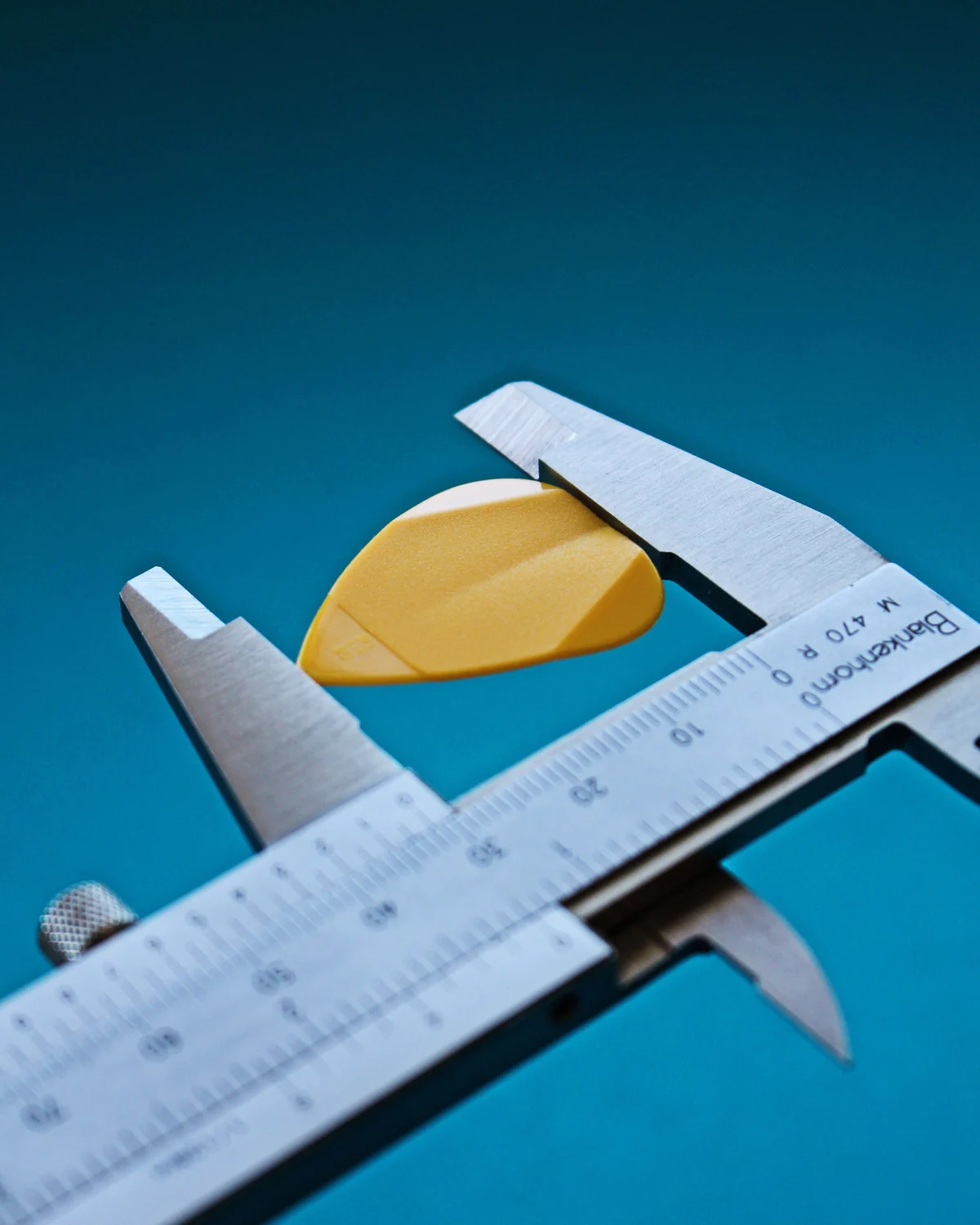
Measure the actual sample and record the method. If a harness has adjustable straps, document the verified minimum and maximum rather than measuring a single convenient setting. Show where the measuring tape sits on the product. If your size recommendation depends on the animal's body measurement, explain the measurement location with a clear illustration rather than relying on breed names.
Breed examples can be misleading because animals within the same breed differ. A photograph of one dog wearing a medium size is evidence of that particular combination, not a promise about every similar-looking dog. State the demonstrated product size and any relevant measured reference only when those facts are known. For a separate measurement workflow, see planning a product dimensions image.
Demonstrate use without forcing the moment
Choose a calm animal that is already comfortable with the accessory. Have its handler present, keep sessions brief and stop if the animal appears distressed or repeatedly tries to avoid the setup. Photograph the product details without the animal first, so you do not keep a pet waiting while adjusting lights, stands or camera settings.
A walk image can be captured in a quiet familiar place. A bed image can be made when the animal naturally settles. Never restrain an animal into an uncomfortable pose to expose a logo or fastening. Keep cables, small props and unstable equipment out of reach. If the intended use cannot be demonstrated comfortably, show the mechanism with a human hand and explain it through a separate supporting image.
Show materials at the scale people can judge
Make the texture large enough to inspect. A fabric close-up should reveal the weave or surface rather than becoming an abstract blur. For a carrier, photograph seams, mesh and the opening. For a grooming brush, show the teeth, grip and actual working surface. Use simple directional light that makes construction visible without exaggerating roughness or softness.
Separate appearance from performance. A tightly framed seam does not prove a weight rating, and a photograph of water beads does not establish a waterproof claim. Only connect a photograph to a performance statement when the statement has an appropriate factual basis. If the supporting evidence is not available, describe the visible feature accurately and leave the stronger claim out.
Photograph cleaning and storage details
Owners need to live with the item after the first day. If the cover can be removed, show the genuine opening and the separated pieces. If the product folds, show its real folded shape beside a measurement. If an insert must stay dry or a component must be removed before washing, make the relevant part identifiable and keep any care wording consistent with the actual instructions.
Do not stage a cleaning method solely because it looks convincing. A wet cloth on a product does not establish that it can be submerged. A washing-machine scene should never substitute for checking the care label. Keep production notes with the approved product information so future photographs repeat the same accurate instructions.
Keep props and included items easy to distinguish
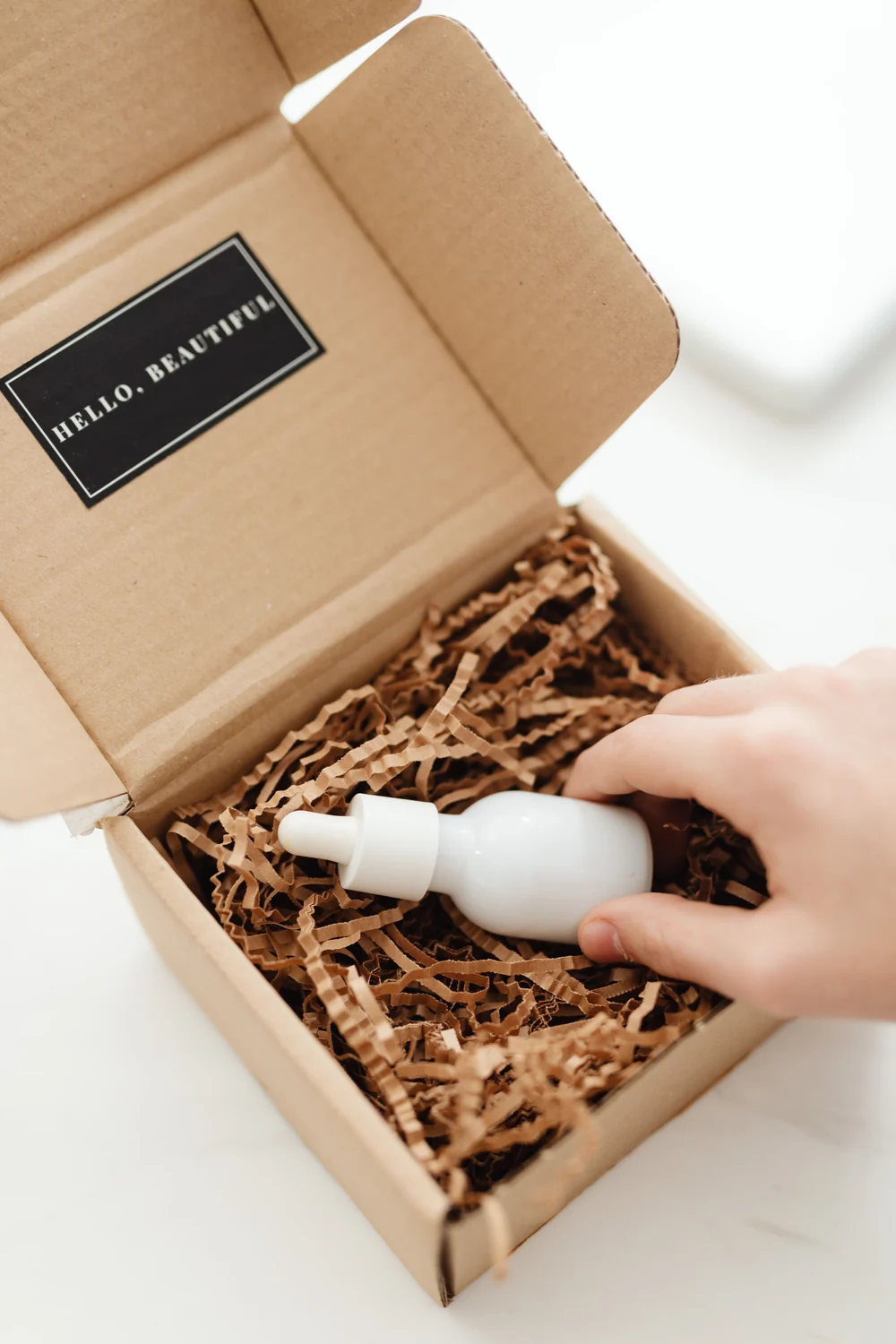
A pet bowl on a feeding mat is a useful scene only if shoppers understand what they receive. Where the offer is the bowl alone, make a separate contents image that leaves no doubt. The same applies to leads shown with harnesses, blankets shown inside beds and treats beside training accessories.
Audit the variation too. A different buckle colour or extra pocket can change what the photograph promises. Maintain a reference sheet for each SKU and compare the final gallery against that exact version. Our what-is-included image guide explains how to lay out components without making the offer feel larger than it is.
A useful brief for one harness listing
Suppose the verified product is a charcoal harness supplied with no lead. The brief might request a clean front and back view, interior mesh detail, a measurement frame based on the approved sizing sheet, a close-up of the fastening, a flat lay showing the harness alone and one calm walk scene. This is a production example, not a tested performance claim or a universal slot prescription.
Approve the information before polishing the layouts. If you use ListingBrain to build supporting listing visuals, start from photographs of the real harness. Check the generated strap routing, buckle count and attachment position carefully. A handsome scene is not useful if it quietly changes the hardware.
Final questions before publishing
Can the customer identify the exact variation? Is the usable size clear? Can they see the opening, adjustment and important attachments? Are the contents obvious without reading a disclaimer? Does every use scene depict a comfortable, appropriate demonstration? These checks expose gaps that another decorative photograph will not fix.
If you have no animal available, start with accurate product and detail photographs. If the product does not stay in position during an ordinary demonstration, investigate the setup rather than hiding it with retouching. The strongest pet accessory gallery respects both sides of the decision: the owner's practical concerns and the animal's comfortable use.
Editorial photographs are credited beside each image. They illustrate the topic and do not represent ListingBrain customer results or an endorsement by a depicted person.