

In this guide
An English infographic is translated into German and the headline no longer fits. A capacity comparison keeps its American reference object. The packaging in the photograph is digitally rewritten even though the physical product still ships with the original label. Each change began as a translation task, but the final listing now communicates a different offer.
Amazon listing image localization means adapting the communication for a specific audience while preserving the item being sold. That includes language, units, terminology, composition and useful context. Treat the work as a controlled production process, with a local reviewer and a product owner, rather than a batch of text replacements.

Create a marketplace asset inventory
List every image containing language, numbers, symbols or culturally specific references. Include text inside photographs, diagrams, comparison charts, instructional arrows and A+ modules. A translated gallery can still feel unfinished if the A+ section below it uses another language.
Build a table with the original wording, intended meaning, source of the claim, target wording and reviewer. Add the source filename and placement so an editor can find the correct asset. Keep terminology in one place; otherwise the same component may acquire three names across the gallery.
Separate image copy from permanent product labels. Marketing overlays can be localized, but changing a photographed label can misrepresent the physical item. If packaging genuinely differs by market, request photographs of the correct version. If it does not, preserve the real packaging and explain relevant information through appropriate listing text.
Translate the buyer question first
Before translating a headline, write down its job. Does it explain capacity, simplify assembly or show a material advantage? A translator who understands that purpose can produce a natural phrase rather than preserving awkward source syntax.
For example, an overlay reading “Ready for your daily grind” may sound playful in English but obscure the benefit of a coffee container elsewhere. A useful localized version might simply describe easy access during morning preparation. The message should survive even when the idiom does not.
Ask a native reviewer familiar with the product category to assess clarity. Fluency alone does not establish whether a term is common in the target shopping context. A cooking tool, fabric finish or connector can have several technically correct translations with different practical meanings.
Give text room to change
Keep translated copy editable until the wording is approved. Avoid placing every letter into a flattened graphic before the review is complete. Preserve layers, font information and a copy document so the next revision does not become a reconstruction job.
Allow the layout to respond to the language. A longer headline may need a wider text column or another line. Reduce unnecessary copy before reducing type size. The original English line break is not a design requirement for every market.
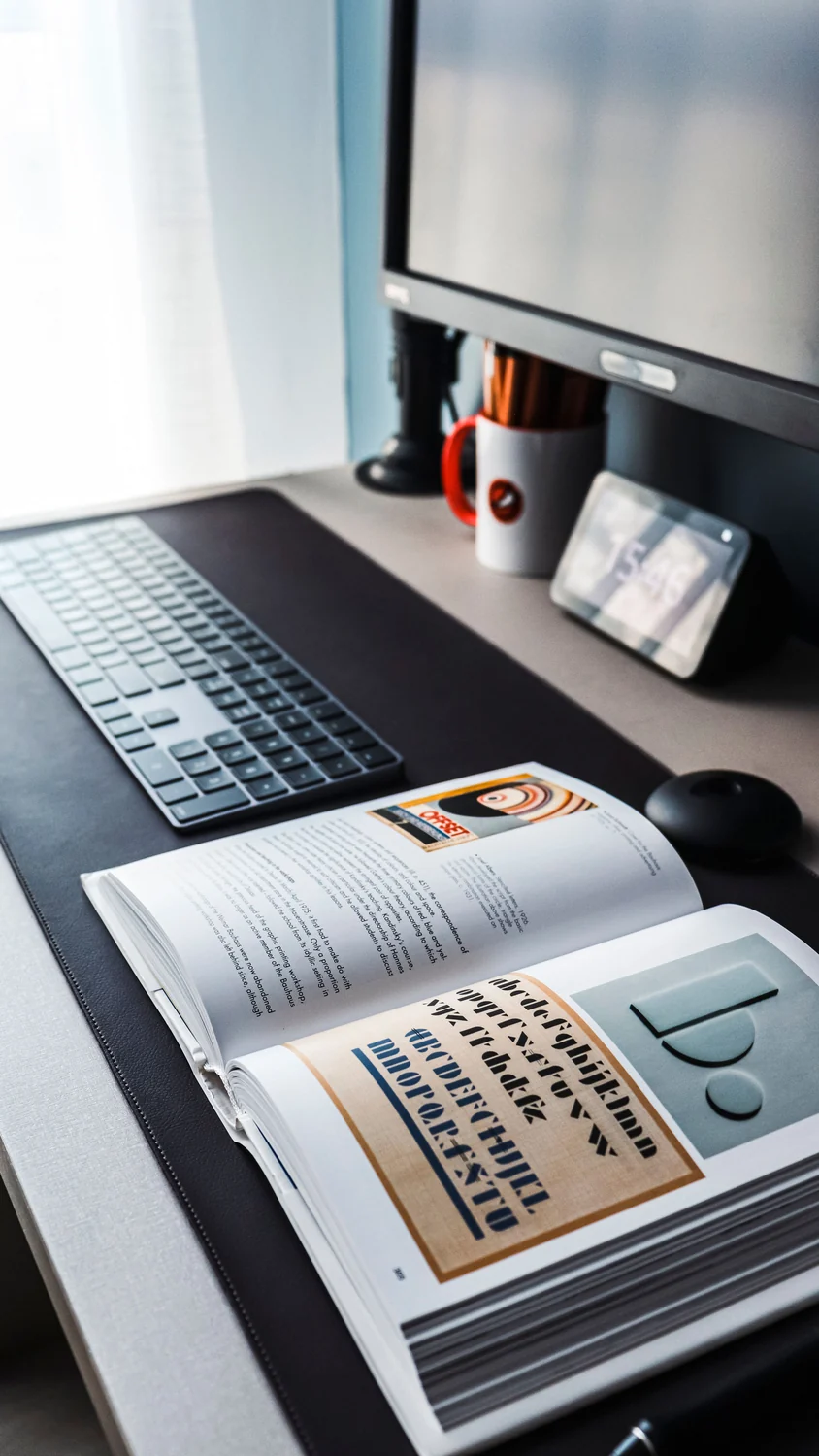
Check font support using the final words, including accents and special characters. A replacement glyph can look acceptable in a small preview while making the published graphic feel careless. Verify punctuation, quotation marks and number formatting as part of the same pass.
Convert measurements carefully
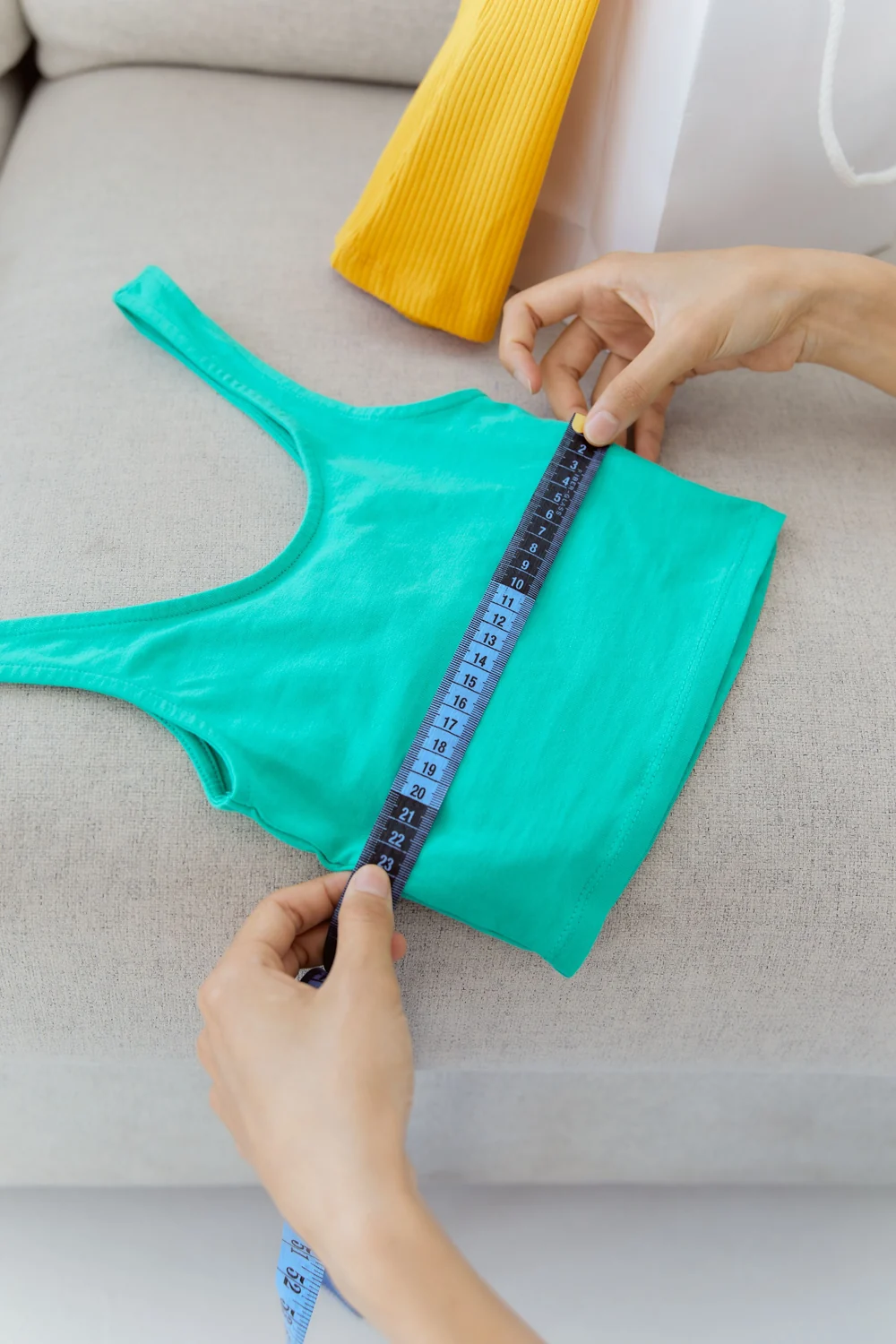
Choose measurement units according to the audience and the exact listing context. Maintain one verified source measurement and derive alternate units from it. Do not convert a rounded number repeatedly between unit systems, because the accumulated rounding can create conflicting specifications.
Imagine a shelf organizer measured at 30 centimetres wide. The localized graphic might include an inch equivalent where useful, but both values should come from the verified measurement. Do not stretch the product illustration to make a new label appear convenient.
| Element | Localization task | Product truth check |
|---|---|---|
| Width and height | Use appropriate units and notation | Values match the measured item |
| Capacity | Use the correct type of unit | Do not confuse volume and weight |
| Pack count | Use natural local wording | Quantity remains unchanged |
| Compatibility | Translate the component name | Supported models stay identical |
Have the product owner approve numeric fields separately from the language reviewer. Two people can catch different errors. The translator may notice an unnatural decimal separator while the product owner notices an incorrect dimension.
Localize context without inventing use
A familiar environment can make a lifestyle image easier to understand, but relevance matters more than stereotypical decoration. Choose rooms, utensils or activities that clarify real use. Adding recognisable landmarks rarely explains how a storage container works.
Check environmental assumptions. A product shown beside a particular socket, fixture or appliance may imply compatibility. Replacing the room while leaving the wrong interface visible can create a serious misunderstanding. Use an accurate scene for the actual model and market.
Review food, clothing and routine references for usefulness. A serving example should explain size or use without implying that props are included. Seasonal imagery should reflect the campaign rather than assuming every audience experiences the same weather at the same time.
Review the entire page in order
Read the gallery as a shopper would, then continue through A+ and the visible product information. Look for contradictions in terminology, quantities and claims. A correctly translated image can still conflict with the selected variation or the listing bullets.
Amazon explains that international listing translation may involve multiple parts of the detail page, and that professional services can help with broader localization. See its official listing translation guidance for the available approaches. Do not assume a listing translation tool has also replaced text baked into image files.
Use the current Amazon preview for the intended placement before publishing. Check line breaks and cropping at smaller sizes. The image copywriting guide is useful when the translated version needs fewer words to retain its meaning.
Keep language versions traceable
Name working files by SKU, market, language, placement and version. Keep approved copies in a separate delivery folder, with an approval date and a responsible reviewer. A folder named “final international” becomes difficult to trust once the second product joins it.
When a product fact changes, update the source sheet first and flag every affected language. A new pack quantity is a content change, not merely a translation edit. The change log should identify which images and modules require replacement.
ListingBrain can help establish a coordinated visual direction from the product reference. Treat any generated wording as draft copy for the target market, and have a qualified reviewer check it before use. The product reference remains the anchor even when the surrounding presentation changes.
Localization review checklist
- The target language sounds natural to a local product buyer.
- Packaging matches the item shipped in that market.
- Measurements and quantities match the verified product sheet.
- Type supports every required character and remains readable.
- Scene details do not imply unsupported compatibility.
- Gallery, A+ and product information use consistent terminology.
Should all packaging text be translated in the photograph? Preserve the label actually delivered. If a localized explanation is necessary, provide it through an appropriate overlay or listing field without pretending the packaging has changed.
Can machine translation handle the first draft? It can assist with drafting, but a fluent category-aware reviewer should verify the final meaning. Short headlines are particularly sensitive because a small wording error can change the entire claim.
Editorial photographs are credited beside each image. They illustrate the topic and do not represent ListingBrain customer results or an endorsement by a depicted person.