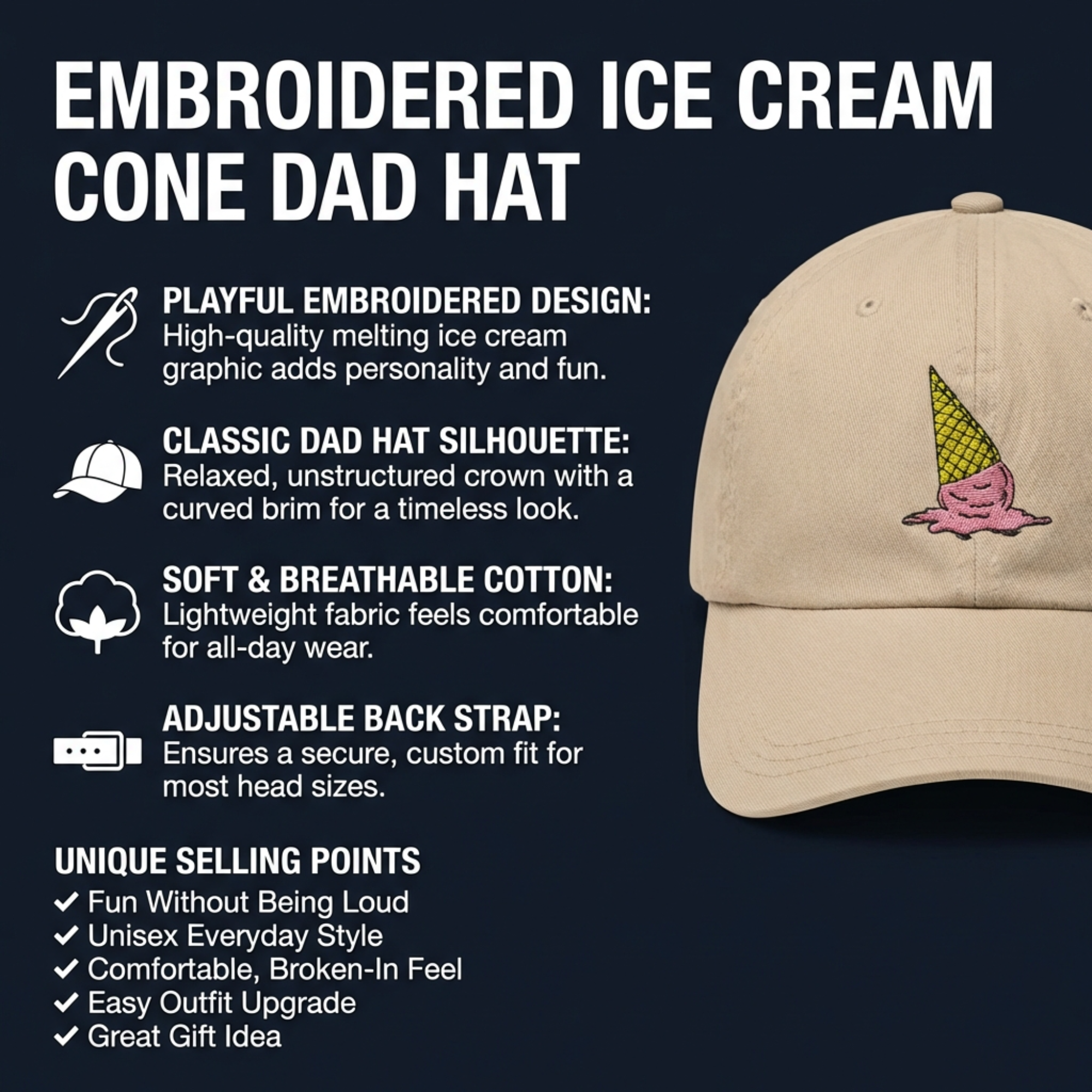
The practical point
Image copy earns attention when it names a meaningful reason to choose the product and proves it with the visual.
Good image copy names an outcome a shopper can understand and then lets the visual do the proving. 'Fits a 15-inch laptop' is more useful than 'ultimate everyday performance' because the buyer immediately knows how to evaluate it.
How to use this on a real SKU
- Write the buyer benefit in plain language.
- Pair it with product evidence.
- Trim every word that does not make the choice clearer.
What experienced sellers review before publishing
Specific benefit, accurate proof, readable line length, category-safe language, one message and no unsupported superlatives.
Write the headline after choosing the image's job, not before. When an image has one clear purpose, the copy gets shorter, more concrete and easier to read on a phone.
Keep every asset tied to the product that will actually ship. Check small-screen readability, the current variation, packaging and included components. If a generated image is not strong enough, regenerate that slot and compare the new version with the earlier result.
A stronger image system, not isolated graphics
| Asset | Buyer question | Best use |
|---|---|---|
| Main or product-first image | What is this? | Immediate recognition and confidence |
| Benefit or feature image | Why should I choose it? | One specific, supportable buying reason |
| A+ Content module | How does it fit my needs? | Deeper feature, use-case or brand context |
Build the visual set around your actual product
ListingBrain turns a product reference and the facts that matter into gallery images and A+ Content you can review and regenerate individually.
Create your listing