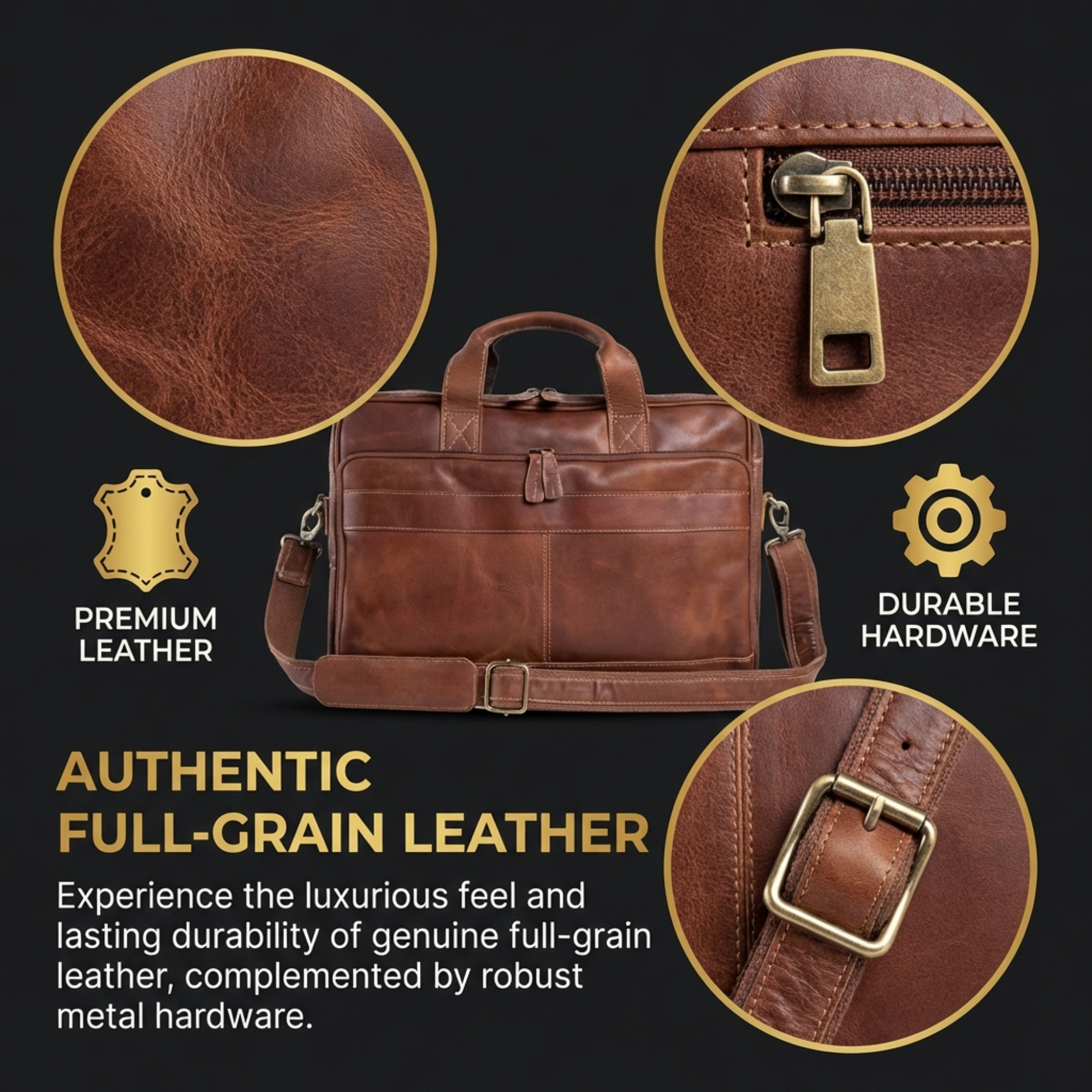
The practical point
Most weak image sets fail because they make the shopper work too hard to understand the product.
The most expensive image mistakes are not cosmetic. They are mismatches between what a customer thinks they are buying and what arrives: hidden pack counts, unclear dimensions, altered colours, ambiguous accessories or claims with no evidence.
How to use this on a real SKU
- Audit each image for one clear job.
- Remove decorative clutter and repeated messages.
- Replace vague claims with product evidence.
What experienced sellers review before publishing
No tiny type, no contradictory imagery, no missing scale, no altered product details, no unsupported claims and no wasted slots.
A practical cleanup pass catches most of them. Remove duplicate messages, enlarge anything a buyer needs to read, show scale where it matters and make sure the product remains the visual centre of every frame.
Keep every asset tied to the product that will actually ship. Check small-screen readability, the current variation, packaging and included components. If a generated image is not strong enough, regenerate that slot and compare the new version with the earlier result.
A stronger image system, not isolated graphics
| Asset | Buyer question | Best use |
|---|---|---|
| Main or product-first image | What is this? | Immediate recognition and confidence |
| Benefit or feature image | Why should I choose it? | One specific, supportable buying reason |
| A+ Content module | How does it fit my needs? | Deeper feature, use-case or brand context |
Build the visual set around your actual product
ListingBrain turns a product reference and the facts that matter into gallery images and A+ Content you can review and regenerate individually.
Create your listing