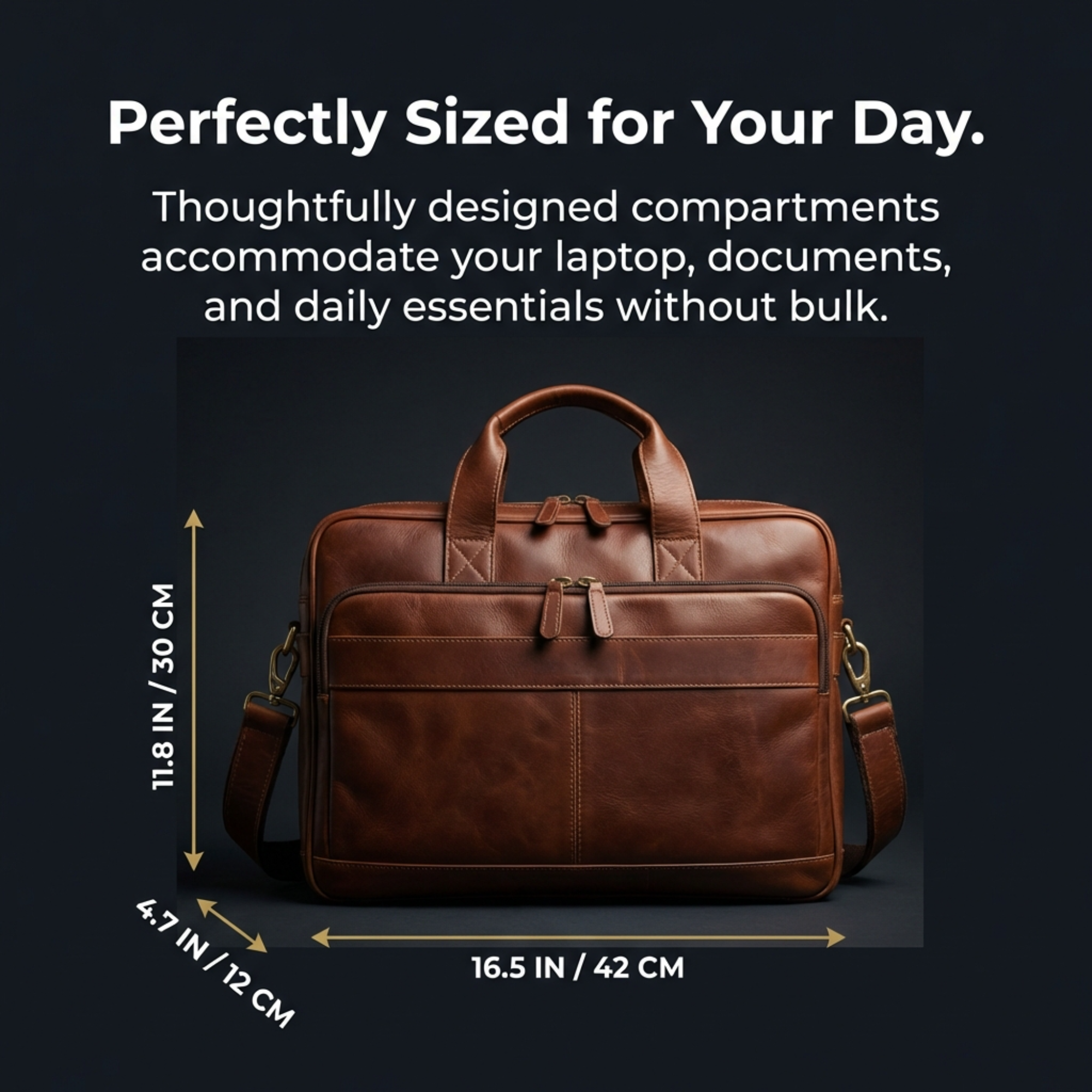
The practical point
AI visual production must never turn an ordinary product into a different product on the page.
The central rule is straightforward: generated creative can improve how a product is explained, but it cannot change what the product is. Source references, label close-ups and a written list of non-negotiable facts make the review much safer.
How to use this on a real SKU
- Lock the factual product details before generation.
- Review every generated image against the reference.
- Remove anything that could mislead a buyer about what arrives.
What experienced sellers review before publishing
Colour, materials, product shape, included items, labels, dimensions, compatibility and supportable claims.
Pay special attention to products where a small change is material: shades, pack counts, connectors, medical-adjacent claims, ingredients, fit and accessories. Those are the details a buyer will notice after delivery.
Keep every asset tied to the product that will actually ship. Check small-screen readability, the current variation, packaging and included components. If a generated image is not strong enough, regenerate that slot and compare the new version with the earlier result.
A stronger image system, not isolated graphics
| Asset | Buyer question | Best use |
|---|---|---|
| Main or product-first image | What is this? | Immediate recognition and confidence |
| Benefit or feature image | Why should I choose it? | One specific, supportable buying reason |
| A+ Content module | How does it fit my needs? | Deeper feature, use-case or brand context |
Build the visual set around your actual product
ListingBrain turns a product reference and the facts that matter into gallery images and A+ Content you can review and regenerate individually.
Create your listing